How Long Can a Police Drone Stay in the Air? Flight Times
Commercial UAV Pilot & Aerial Cinematography Specialist at Drone Nestle · FAA Part 107 Remote Pilot Certification, Commercial UAS Operations · 10+ Years in Commercial UAV Operations, Flight Hardware Benchmarking & 4K Aerial Cinematography
Most standard police quadcopters, like the DJI Matrice series, have a flight duration of 30 to 55 minutes per battery. For long-term surveillance, tethered drone systems provide nearly unlimited flight time by drawing continuous power from a ground station cable.
🎯 Key Takeaways
- Standard police quadcopters typically average 35-45 minutes of real-world flight time.
- Tethered drones allow for 24+ hours of continuous stationary surveillance.
- Payload weight from thermal cameras and sensors reduces total battery endurance.
- Pilots usually land at 15-20% battery to maintain a safety buffer.
- Fixed-wing police drones offer significantly longer flight times than multi-rotor models.
Most law enforcement drones currently in service stay in the air for 30 to 55 minutes per battery charge. While that might sound like a narrow window, modern police departments utilize rapid battery swapping and specialized power systems to maintain a constant “eye in the sky.” If a mission requires a stationary aerial view for hours on end, departments switch to tethered drones that can remain airborne for 24 hours or more by drawing power directly from a ground-based source.


Understanding these limits is critical for tactical planning. In a high-stakes pursuit or a search and rescue mission, every minute counts. If a drone’s battery fails at a crucial moment, the visual link is lost, and the suspect or victim might disappear. This is why flight duration is often the most scrutinized specification when an agency invests in new hardware. You need to know exactly how long you have before the “low battery” warning forces a landing.
Typical Flight Times for Common Law Enforcement Quadcopters

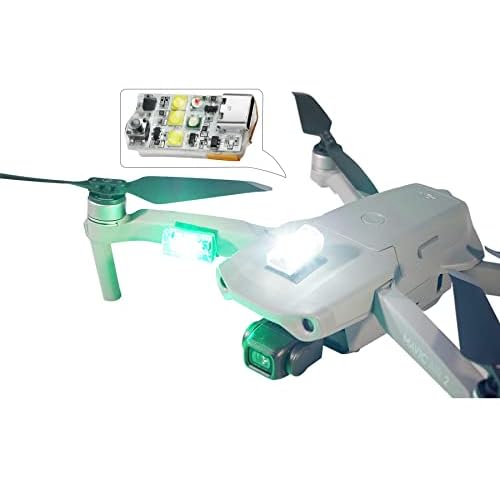

The vast majority of police work is handled by untethered quadcopters. These drones offer the mobility needed to follow a fleeing vehicle or scout a large wooded area. However, because they must carry their own power source, they are limited by the energy density of their Lithium Polymer (LiPo) batteries. The most common enterprise-grade drones used by police today hover in the 40-minute range for actual operational use.



The “Big Three” in Police Aviation
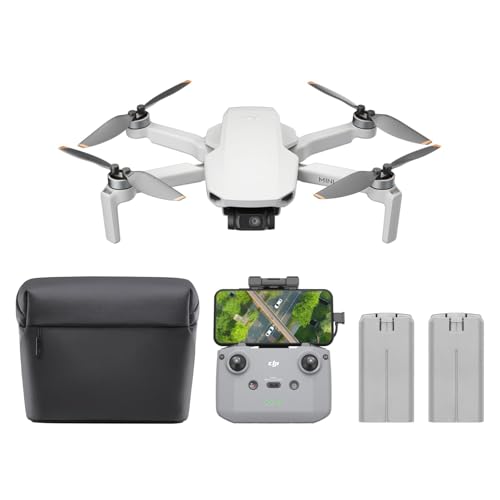
While there are dozens of manufacturers, a few specific models dominate the law enforcement landscape. Their flight times are the benchmark for the industry:
- DJI Matrice 300 RTK / 350 RTK: This is the workhorse of heavy-duty police work. It boasts a maximum flight time of 55 minutes. However, when equipped with a heavy thermal camera and a spotlight, you should expect closer to 45 minutes of usable airtime.
- DJI M30T: A more compact, weather-resistant drone that many departments prefer for quick deployment. It offers approximately 41 minutes of flight time. It is designed for “hot-swapping” batteries, meaning you can change the power cells without shutting down the electronics.
- Autel EVO II Dual 640T: Frequently used for search and rescue due to its excellent thermal sensors. It advertises 38 to 42 minutes, though high winds can quickly drop that number to the mid-30s.
Real-World vs. Advertised Specs


It is important to remember that manufacturer specs are recorded in “perfect” conditions—usually no wind and no extra accessories. In the field, you are rarely flying an empty drone. When you add a loudspeaker, a high-intensity spotlight, or a specialized chemical sensor, the weight increases and the battery drain accelerates. Most pilots plan for a “buffer” and begin their return-to-home sequence when the battery hits 20%, effectively shaving 8 to 10 minutes off the advertised maximum flight time.


Tethered Systems and Unlimited Flight for Stationary Missions


When a police department needs to monitor a protest, a large traffic intersection, or a multi-day crime scene, 45 minutes of flight time is insufficient. Constant landing and battery swapping creates “blind spots” in the surveillance. This is where tethered drone systems become the primary tool. These systems connect a standard drone to a ground station via a micro-filament cable that provides a continuous stream of power.
Achieving 24+ Hours of Persistent Surveillance


A tethered drone doesn’t rely on an internal battery for its primary power. Instead, an ultra-thin, high-strength cable runs from a generator or a vehicle on the ground up to the drone. This setup allows for unlimited endurance, limited only by the mechanical wear on the drone’s motors. It is common for these systems to stay aloft for 24 continuous hours without ever touching the ground.


The Benefits of a Hardwired Connection


Tethered systems offer more than just power; they provide a “hardwired” data link. This is a significant advantage for law enforcement for several reasons:
- Data Security: Because the video feed travels down the physical cable rather than over the airwaves, it is virtually impossible for a third party to intercept or jam the signal.
- High-Bandwidth Feed: The cable can carry massive amounts of data, allowing for ultra-high-definition video streaming to a command center without the lag associated with radio transmissions.
- Stationary Stability: These systems are designed to hover in a specific “box” in the sky. If the cable is tensioned correctly, the drone can withstand higher winds than a free-flying unit because it is physically anchored to the earth.
While a tethered drone cannot chase a suspect down an alleyway, it serves as a portable, 200-foot-tall surveillance tower that can be deployed in minutes. For events like the Super Bowl or city-wide marathons, these drones provide a level of “persistent overwatch” that was previously only possible with expensive manned helicopters.
Critical Factors That Reduce Police Drone Battery Life


While manufacturers provide “maximum flight times,” these figures usually come from tests conducted in perfect conditions. In the real world, police officers rarely fly in a vacuum. Several external and internal factors can significantly drain a battery faster than expected, turning a 40-minute flight into a 25-minute mission.

Environmental Challenges and Weather
Weather is the primary enemy of drone endurance. When a pilot operates in high winds, the drone’s motors must spin significantly faster to maintain a stable hover or stay on course. This constant correction pulls massive amounts of current from the battery. Similarly, extreme temperatures play a massive role. In cold climates, the chemical reactions inside Lithium-Polymer (LiPo) batteries slow down, leading to a sudden drop in voltage. Many departments use battery heaters to mitigate this, but the energy used for heating still comes from the total power pool.
The Weight of Mission-Specific Payloads
Police drones are rarely flown “naked.” To be effective, they carry specialized equipment that adds weight and consumes power. Every extra gram forces the motors to work harder to maintain lift. Common law enforcement attachments that reduce flight time include:


- Thermal Sensors: High-resolution infrared cameras require constant processing power.
- Searchlights: High-lumen LED spotlights are notorious for heavy battery drain during night operations.
- Loudspeakers: Used for communication or crisis negotiation, these add both physical weight and electrical load.
- Optical Zoom Cameras: Heavy glass lenses and stabilization gimbals increase the physical strain on the airframe.
Comparing Multi-Rotor vs. Fixed-Wing Endurance for Patrols
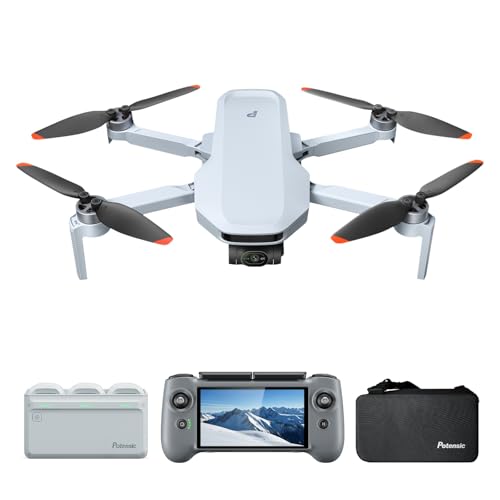

The type of drone a department chooses is often dictated by how long they need to stay in the air. While most people visualize a “drone” as a quadcopter, many agencies are looking toward different designs to solve the endurance problem for long-range patrols.
The Versatility of Multi-Rotors
Most police departments utilize multi-rotors (like the DJI Matrice series) because they can hover in place, navigate tight urban corridors, and take off from almost anywhere. However, because they rely entirely on active lift—meaning the motors must run constantly to stay airborne—their flight times are generally limited to 30–45 minutes. They are ideal for tactical situations, such as monitoring a specific building or assisting in a foot pursuit, where precision is more important than total time aloft.
The Long-Distance Power of Fixed-Wing Drones
For wide-area surveillance, such as search and rescue in state parks or border patrol, fixed-wing drones are the superior choice. These drones use wings to generate lift, much like a traditional airplane, allowing them to glide and conserve energy. Some police-grade fixed-wing models can stay in the air for two to four hours on a single charge. Many modern versions use VTOL (Vertical Take-Off and Landing) technology, giving officers the best of both worlds: the ability to take off without a runway and the endurance to monitor a county-wide area for the entire afternoon.
- Multi-Rotor: Best for 20-40 minute tactical missions and hovering.
- Fixed-Wing: Best for 2-4 hour missions covering large distances.
- Hybrid VTOL: Offers high endurance with the convenience of vertical takeoff.
Conclusion
Understanding how long a police drone can stay in the air is vital for effective mission planning. While the average quadcopter offers roughly 30 to 40 minutes of flight time, real-world factors like heavy payloads, high winds, and battery age can quickly shorten that window. For departments needing persistent “eyes in the sky,” the shift toward fixed-wing hybrids or “Drone-in-a-Box” solutions is becoming the new standard for continuous coverage.
If you are looking to maximize your department’s airtime, focus on maintaining a healthy battery rotation and investing in high-speed field charging stations. Ready to upgrade your gear? Explore our latest range of high-capacity batteries and drone accessories to keep your fleet in the air longer.
💬 Quick Questions & Answers
What is the average flight time for a police quadcopter?
Most professional police drones like the DJI Matrice 30T fly for 40-50 minutes per charge.
Can police drones fly for 24 hours?
Yes, but only if they are ‘tethered’ to a ground power station via a specialized cable.
How do police manage long-duration missions?
Departments use ‘hot-swapping’ techniques to change batteries quickly without powering down the drone’s software.
Do weather conditions affect police drone flight time?
Yes, high winds and extreme cold can reduce battery efficiency by 20% or more.
How long do fixed-wing police drones stay airborne?
Specialized fixed-wing or VTOL drones can stay in the air for 2 to 4 hours.
❓ Frequently Asked Questions
How does payload weight affect a police drone’s airtime?
Every gram counts; heavy high-zoom cameras, thermal sensors, and spotlights increase power consumption. A drone rated for 55 minutes may only fly for 35-40 minutes when fully loaded with tactical gear.
What are tethered drones and why do police use them?
Tethered drones are connected to a ground power source by a high-strength cable. They are used for long-duration events like protests or traffic monitoring because they can stay aloft for days without landing.
Why do police drones land with battery power still remaining?
Safety protocols require pilots to initiate a landing at 15-20% battery. This ‘buffer’ ensures the drone has enough energy to return home against unexpected headwinds or emergency maneuvers.
How many batteries does a police department typically need?
For continuous operation, most agencies carry 3 to 4 sets of batteries. This allows one set to be in flight while others are charging in the mobile command unit.
Do police drones fly longer in the summer or winter?
Drones generally perform better in moderate summer temperatures. Extreme cold significantly slows chemical reactions in LiPo batteries, leading to shorter flight times and potential voltage drops.
Are there police drones that use gas or hybrid power?
While rare, some departments use hybrid gas-electric drones for remote search and rescue. These models can stay in the air for 4 to 8 hours by using a small engine to generate electricity.

Similar Posts