What is Drone FPV? An Introduction to First-Person View
Commercial UAV Pilot & Aerial Cinematography Specialist at Drone Nestle · FAA Part 107 Remote Pilot Certification, Commercial UAS Operations · 10+ Years in Commercial UAV Operations, Flight Hardware Benchmarking & 4K Aerial Cinematography
Drone FPV (First-Person View) is a method of controlling a drone where the pilot sees what the drone sees through a real-time video feed, typically via immersive goggles. This ‘cockpit’ perspective allows for extreme precision, high speeds, and the ability to perform complex aerial acrobatics that standard drones cannot achieve.
🎯 Key Takeaways
- FPV stands for First-Person View, providing a pilot’s-eye perspective.
- Low-latency video transmission is essential for real-time flight control.
- Goggles create an immersive experience compared to looking at a screen.
- FPV drones require manual control, offering more freedom than GPS drones.
- Primary uses include professional racing, freestyle stunts, and cinematic filming.
FPV stands for First-Person View, a technology that puts you directly into the virtual cockpit of your aircraft. While a standard drone is flown by looking up at it from the ground, an FPV drone is controlled through specialized video goggles. These goggles stream a live, high-speed video feed from a camera mounted on the front of the drone, effectively making you feel like you are shrunk down and sitting inside the frame.


This matters because it removes the disconnect between the pilot and the machine. In traditional flight, you are a spectator directing a robot from afar. In FPV, you are the drone. This immersive perspective allows for precision, speed, and maneuvers that are physically impossible with standard consumer drones. It transforms a hobby into a high-octane experience that feels more like a flight simulator brought to life in the real world.
Understanding the Core Technology of FPV Systems


The magic of FPV relies on a dedicated video transmission system designed for near-zero latency. When you are flying a drone at 80 miles per hour, even a half-second delay in the video feed would result in a crash. To achieve this, FPV systems prioritize transmission speed over raw image resolution, though modern digital systems now offer both. This setup creates a “closed-loop” experience where your brain processes the visual data and reacts instantly via the radio controller.


The Goggle Experience: Total Immersion
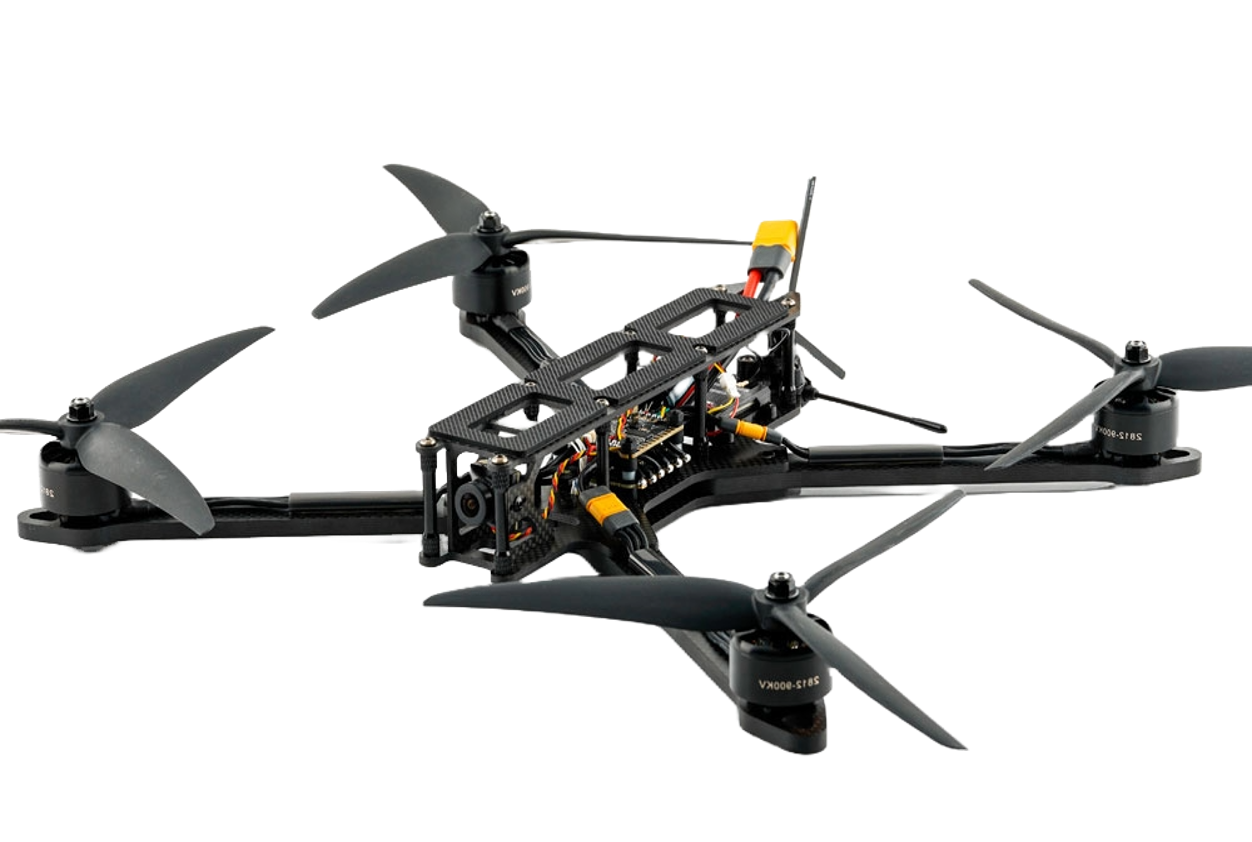
The most defining piece of FPV gear is the headset. Unlike looking at a smartphone screen clamped to a controller, goggles block out all peripheral light and distractions. This isolation is what creates the feeling of “telepresence.” Your entire field of vision is filled with the drone’s perspective, allowing you to judge distances and gaps with incredible accuracy. There are two primary ways this video is delivered:
- Analog Systems: These provide the lowest possible latency and a “raw” feel. The image may have static or “snow” as you fly further away, but it never freezes, making it the preferred choice for hardcore racers.
- Digital Systems: Systems like DJI O3 or Walksnail provide high-definition (HD) video. They offer a much clearer image, making it easier to see small branches or power lines at the cost of slightly higher (but still very low) latency.
The FPV Video Chain


To make this work, the drone carries a specialized camera and a Video Transmitter (VTX). The VTX broadcasts the signal through an antenna, which is then picked up by the receiver built into your goggles. Because this system is separate from the drone’s flight control signal, the video remains fluid even when the drone is performing aggressive flips or rolls. This dedicated hardware is why FPV drones look different than sleek consumer models; they are purpose-built for raw performance and signal reliability over long distances or through obstacles.


FPV vs. Standard Drones: Key Performance Differences


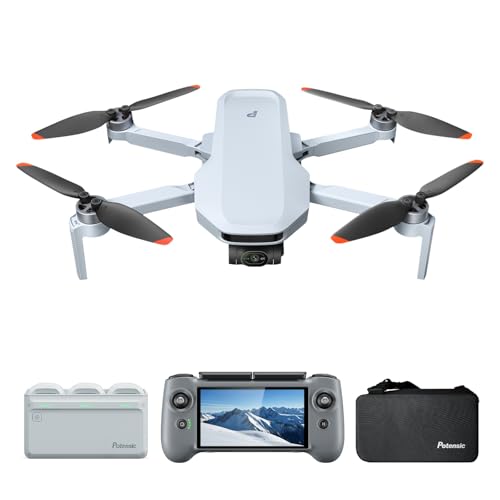
If you have ever flown a DJI Mini or a similar camera drone, you are used to a “flying tripod” experience. Those drones are designed to be stable, safe, and easy to hover. FPV drones are the exact opposite. They are designed for total freedom and manual control. While a standard drone uses GPS and various sensors to stay level, an FPV drone usually flies in “Acro” (Acrobatic) mode, where the pilot is responsible for every degree of movement.
Manual Control vs. GPS Stabilization


The biggest difference lies in how the drone reacts to your inputs. In a standard drone, if you let go of the sticks, the drone stops and hovers in place. In FPV Manual mode, the drone keeps doing exactly what it was doing last. If you tilt it forward and let go, it stays tilted and keeps moving forward. This requires much more skill to master, but it allows for a level of fluid movement that GPS drones cannot replicate. You can dive down the side of a building or loop over a bridge with a level of control that feels organic rather than robotic.


Speed and Maneuverability
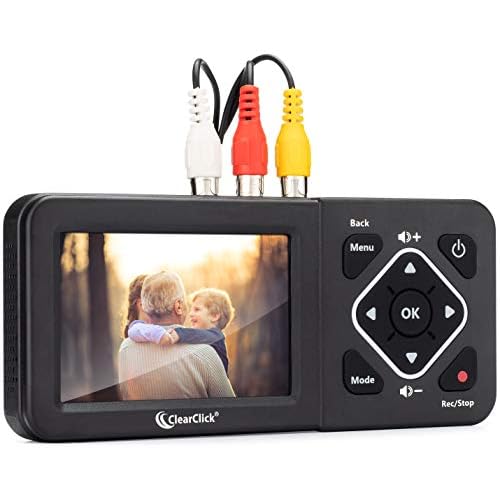


FPV drones are built for power-to-weight ratios that rival professional race cars. While a standard consumer drone might top out at 30 or 40 mph, a racing FPV drone can easily exceed 100 mph. The physical differences and capabilities are striking:
- Agility: FPV drones can flip, roll, and “power loop” in ways that would cause a standard drone’s software to crash the craft.
- Durability: Most FPV drones use carbon fiber frames designed to survive high-speed impacts, whereas plastic consumer drones are often totaled after a single crash.
- Customization: FPV drones are often “open” systems, allowing you to swap motors, cameras, and firmware to tune the flight feel to your exact preference.
Ultimately, a standard drone is a tool for capturing a scene from a distance, while an FPV drone is a vehicle for experiencing it from the inside. One is about the destination; the other is about the thrill of the flight itself.
Popular Disciplines: Racing, Freestyle, and Cinematic FPV


One of the most exciting aspects of FPV is its versatility. Unlike standard GPS drones that are mostly used for static photography, FPV drones are specialized tools for specific types of flight. Depending on what gets your heart racing, you will likely gravitate toward one of these three main styles.
FPV Racing and Freestyle
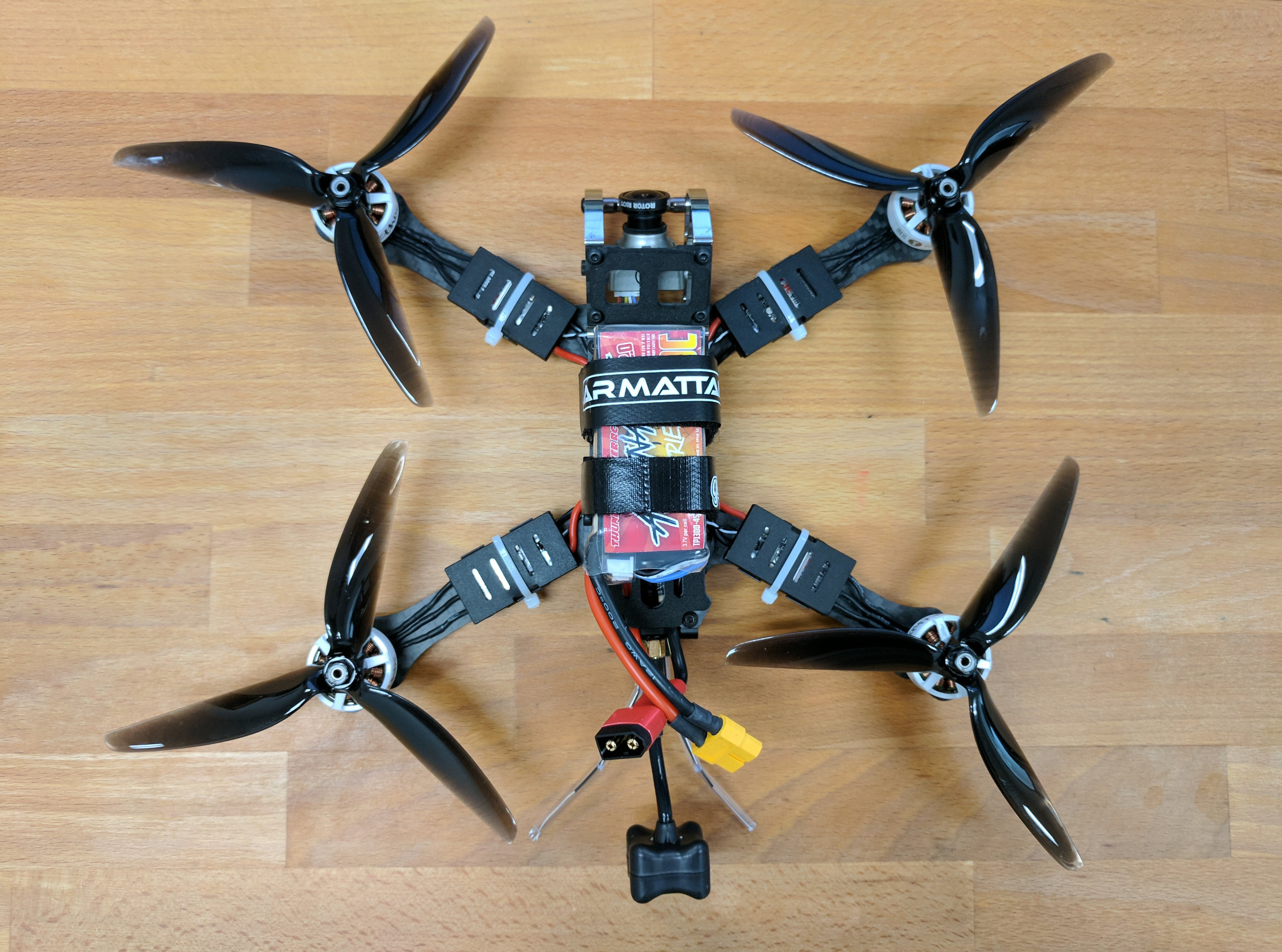
FPV Racing is the Formula 1 of the drone world. Pilots navigate complex courses marked by illuminated gates and flags at speeds exceeding 100 mph. It requires lightning-fast reflexes and a deep understanding of drone physics. In contrast, Freestyle is more like skateboarding in the sky. Pilots use urban ruins, parks, or “bando” (abandoned) buildings as their playground, performing expressive tricks like power loops, juicy flicks, and inverted yaw spins.
- Racing Tip: Focus on “lines” and throttle management to maintain speed through corners.
- Freestyle Tip: Look for “gaps”—small openings in trees or structures—to add a sense of scale and danger to your flight.
- Key Gear: Lightweight frames for racing; durable, “tank-like” frames for freestyle to survive crashes.
Cinematic FPV
In recent years, FPV has revolutionized the film industry. Cinematic FPV involves using a drone to capture smooth, high-definition footage that a traditional camera crane or helicopter simply couldn’t get. This includes “cinewhoops”—small drones with duct-protected propellers that can safely fly close to people or move through tight indoor spaces like offices or bowling alleys.


- Long Range: A sub-discipline of cinematic flight where pilots fly miles away to capture mountain peaks or coastal vistas.
- Pro Example: Many Hollywood car chases are now filmed using high-speed FPV drones carrying high-end cinema cameras.
Analog vs. Digital: Comparing Video Transmission Types


The “V” in FPV stands for view, and how that view gets to your goggles is a major decision for every pilot. There are two primary ecosystems for video transmission: Analog and Digital. Each has a loyal following and specific use cases depending on your budget and performance needs.
Analog: Low Latency and Low Cost
Analog is the original way to fly FPV. It transmits a signal similar to old-school broadcast television. While the image quality is lower—often compared to a grainy VHS tape—it has one massive advantage: near-zero latency. Because the signal isn’t processed or compressed, what you see happens instantly. This makes it the preferred choice for competitive racers who need every millisecond to react.
- Pros: Extremely affordable gear, very lightweight, and the video signal “degrades” gracefully with static rather than cutting out completely.
- Best For: Micro drones (Whoops), racing, and pilots on a strict budget.
Digital: High Definition and Visual Clarity
Digital FPV systems, such as those from DJI, Walksnail, or HDZero, have changed the game by providing a crisp, 720p or 1080p HD image. Flying in digital feels like watching a high-definition movie of your flight in real-time. This clarity makes it much easier to see thin branches or power lines that might be invisible on an analog feed.
- Pros: Stunning visual immersion, better range in many conditions, and easier recording for social media.
- Cons: Higher price point and slightly more weight on the drone.
- Practical Tip: If you plan on doing professional cinematic work, digital is almost always the better investment for the added detail.
Conclusion: Your Journey into the Cockpit
Drone FPV is more than just a hobby; it is a unique blend of technology, sport, and art. From the high-speed thrills of racing to the breathtaking perspectives of cinematic flight, FPV offers an immersive experience that traditional drones simply cannot match. Whether you choose the raw speed of analog or the crystal-clear views of digital, the sense of freedom you get from “leaving the ground” is truly unparalleled.
If you are ready to start, your first step should be picking up a radio controller and practicing in a drone simulator on your computer. This allows you to build the necessary muscle memory without the cost of real-world crashes. Once you feel confident, the sky is no longer the limit—it’s your playground. Welcome to the world of FPV!
💬 Quick Questions & Answers
What does FPV stand for?
FPV stands for First-Person View, referring to the pilot seeing the drone’s perspective in real-time.
Do FPV drones have GPS?
While some have it for safety, most FPV drones rely on manual pilot input rather than GPS-stabilized hovering.
Can I fly FPV without goggles?
Yes, you can use a standalone monitor, but goggles provide the intended immersive experience and better focus.
Is FPV harder than flying a regular drone?
Yes, FPV often involves ‘Acro’ mode, which requires constant manual corrections and significant practice.
What is the range of an FPV drone?
Range varies from a few hundred meters to several kilometers depending on the power of the video transmitter.
❓ Frequently Asked Questions
How is the video transmitted from the drone to goggles?
The drone uses an onboard camera connected to a video transmitter (VTX). This VTX broadcasts a radio signal that is picked up by a receiver (VRX) inside the pilot’s goggles, displaying the live feed with minimal delay.
What is the difference between Analog and Digital FPV systems?
Analog systems offer the lowest possible latency and are cheaper but have lower image quality. Digital systems provide high-definition video and better clarity but can have slightly more latency and a higher price tag.
Why do people use FPV for cinematography?
FPV drones can fly through tight gaps, chase fast-moving objects, and perform rolls or dives that are impossible for standard camera drones. This creates a high-energy, immersive viewing experience common in action movies and commercials.
Do you need a spotter to fly FPV?
In many regions, including the US under FAA rules, a visual observer (spotter) is required because the pilot wearing goggles cannot maintain a direct line of sight with the aircraft.
Does FPV cause motion sickness?
Some beginners experience ‘sim sickness’ because their eyes perceive movement that their body doesn’t feel. Most pilots find this sensation disappears after several sessions of practice.
What is Acro Mode in FPV flying?
Acro (Acrobatic) mode is a flight setting where the drone does not self-level. If you tilt the stick, the drone keeps rotating in that direction until you manually counter it, allowing for flips, rolls, and total creative freedom.