What Kind Of Drones Are Used For Drone Shows
Commercial UAV Pilot & Aerial Cinematography Specialist at Drone Nestle · FAA Part 107 Remote Pilot Certification, Commercial UAS Operations · 10+ Years in Commercial UAV Operations, Flight Hardware Benchmarking & 4K Aerial Cinematography
what kind of drones are used for drone shows is an essential topic with practical applications and significant benefits. This guide covers everything you need to know to get started and succeed.
🎯 Key Takeaways
- Understanding what kind of drones are used for drone shows:Essential knowledge for success in this area
- Practical applications:Real-world scenarios and proven use cases
- Key benefits:Significant advantages when implemented correctly
- Best practices:Important guidelines and expert recommendations
- Future trends:Evolving landscape and emerging opportunities
Professional drone shows rely on specialized aircraft designed for one purpose: acting as a flying pixel. Unlike consumer drones that focus on photography, light show drones are stripped-down, high-performance machines. They prioritize centimeter-level positioning through Real-Time Kinematic (RTK) GPS and ultra-bright, synchronized RGB LEDs. You will not find heavy gimbals or 4K cameras on these units; instead, every gram of weight is dedicated to battery life, light output, and redundant safety systems.


Understanding these technical specifications is critical because it explains how hundreds of drones can fly in tight formations without colliding. These drones operate as a single, cohesive swarm controlled by a central ground station. If you are looking to enter the industry or hire a team, you must look for hardware that utilizes industrial-grade RTK modules and light engines capable of producing millions of colors with zero latency. This is the difference between a blurry shape in the sky and a crisp, high-definition logo.
Understanding what kind of drones are used for drone shows


The core of a light show drone is its positioning system. Standard drones use basic GPS with an accuracy margin of three to five meters. In a drone show, where aircraft often fly less than two meters apart, that margin of error is a recipe for disaster. Professional show drones utilize RTK (Real-Time Kinematic) GPS. This system uses a static ground station to send correction data to the drones in real-time, narrowing the positioning error to just 1-3 centimeters. This allows for the complex, fluid transitions and sharp edges seen in high-end displays.



The Power of Integrated RTK and RGB Hardware
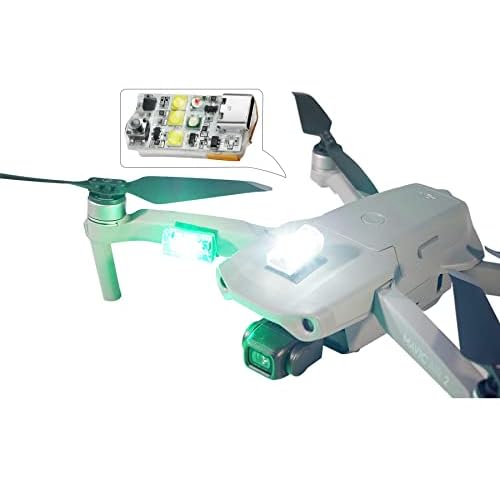
The visual impact of the show depends entirely on the LED light engine. These aren’t standard status lights; they are high-wattage RGB (Red, Green, Blue) modules integrated directly into the flight controller. These LEDs are often covered by a specialized frosted dome to diffuse the light, ensuring the “pixel” is visible from a 360-degree angle. This prevents the “shimmering” effect where drones seem to disappear when they tilt or turn away from the audience.
- Luminous Intensity: Most professional show drones feature 8W to 12W LED modules, producing upwards of 800 to 1,000 lumens.
- Color Depth: They support 16.7 million colors (24-bit color), allowing for smooth gradients and realistic branding.
- Refresh Rate: High-speed synchronization ensures that when the ground station sends a “color change” command, every drone reacts within milliseconds.
- Weight Optimization: The airframes are typically made of carbon fiber or lightweight polycarbonate, keeping the total weight under 500-800 grams.
Leading Manufacturers and Their Flagship Models


A few key players dominate the professional hardware market. Verge Aero is a major industry leader, known for their X1 model which is praised for its robust wind resistance and “all-in-one” software integration. UVify offers the IFO, a purpose-built light show drone that is highly accessible for new show providers due to its swappable battery system and rapid deployment capabilities. Finally, Intel remains a titan in the space with their Shooting Star platform, though they often focus on their own internal production services rather than selling hardware to the public. These manufacturers focus on creating “fleets” rather than individual units, ensuring that 500 drones can be updated and checked simultaneously through a single data link.


Key Benefits of what kind of drones are used for drone shows


Using purpose-built show drones offers several practical advantages over modified consumer hardware. The primary benefit is reliability and redundancy. Light show drones are designed with “fail-safe” protocols specific to swarm behavior. If a single drone loses its RTK link or its battery hits a critical level, it is programmed to automatically exit the formation and land safely in a designated “dead zone” without interrupting the rest of the fleet.
Centimeter-Level Precision and Flight Stability


When you use drones equipped with RTK GPS, you gain the ability to create high-density formations. Because the drones know exactly where they are relative to the ground station and each other, they can maintain stability even in moderate winds. Professional drones are rated to withstand gusts of up to 8-10 meters per second. Without the specialized motor-to-weight ratios found in these units, a sudden gust would cause the “pixels” to drift, ruining the visual integrity of the logo or 3D shape being displayed.


- Uniformity: Every drone in the fleet is calibrated to behave exactly like its neighbor, ensuring consistent movement speeds.
- Wind Compensation: Advanced flight controllers use high-frequency sensors to make micro-adjustments, keeping the drone locked in its 3D coordinate.
- Safety Perimeters: Software-defined “geofences” prevent drones from straying over the audience, a feature that is hard-coded into professional show hardware.
Streamlined Workflow and Rapid Deployment


Efficiency is another massive benefit. Professional show drones are designed to be deployed in grids. You can set out 200 drones in 20 minutes because the hardware is built to sync automatically once powered on. They use dual-link communication (typically 2.4GHz and 5.8GHz, or even 900MHz for better penetration) to ensure that the “start” command reaches every aircraft simultaneously. This level of synchronization is impossible with standard hobbyist gear, which usually relies on individual manual connections. With professional hardware, your primary focus is the creative design, while the drones handle the complex math of staying in their designated spots.
How to Get Started with What Kind of Drones Are Used for Drone Shows


Getting involved with the hardware used for light shows requires a shift in mindset from consumer photography to synchronized fleet management. Unlike solo flight, where you focus on a single craft, drone shows are about the collective movement. The first step for most enthusiasts or businesses is determining whether they want to build a fleet from scratch or invest in a “turnkey” solution from established manufacturers like Verge Aero, UVify, or Intel.

Understanding Your Scalability Needs
The type of drone you choose depends heavily on the size of the spectacle you intend to create. For small, indoor corporate events, drones are often smaller, lighter, and rely on ultrawide-band (UWB) positioning rather than GPS. For massive outdoor displays, you need robust craft capable of handling wind resistance and high-altitude GPS signals. Before diving in, consider the following:
- Fleet Compatibility: Ensure every drone in your inventory uses identical firmware and hardware versions to prevent synchronization drift.
- Regulatory Compliance: In the United States, operating a swarm requires specific FAA waivers and a Part 107 certificate. The hardware must meet strict safety standards to be approved for flight over or near crowds.
- Software Integration: Most professional light-show drones are designed to work with specific ground control stations (GCS) that translate 3D animations into flight paths.
Evaluating Hardware Ecosystems
When looking at the drones available, focus on the total ecosystem rather than just the price per unit. High-end show drones often come with proprietary charging hubs that can juice up dozens of batteries simultaneously. This logistical support is just as important as the drone’s flight time. Practical examples include the UVify IFO, which is a popular choice for its “all-in-one” approach, allowing users to scale from 20 to 2,000 drones using the same infrastructure.
Best Practices for What Kind of Drones Are Used for Drone Shows


Operating a fleet of dozens or hundreds of light-show drones is an exercise in risk management and precision. Because these drones carry high-intensity LEDs and fly in close proximity, maintenance and preparation are non-negotiable. Even the most advanced RTK-GPS drones can be affected by external factors, so established pros follow a strict set of reliability standards.


Prioritizing Redundancy and Safety Protocols
The best show drones are designed with “fail-safe” logic. If a single drone loses its connection or experiences a battery dip, it must be programmed to automatically descend or return to home without colliding with its neighbors. Practical safety measures include:
- Geofencing: Always hard-code “virtual walls” into the drones to ensure they cannot stray into spectator areas or restricted airspace.
- Signal Redundancy: Use dual-band or encrypted communication channels to prevent local Wi-Fi or cellular signals from interfering with the swarm’s commands.
- Pre-Flight Diagnostics: Run automated checks on every motor and LED module before the swarm leaves the ground. One “dark” drone can ruin a complex geometric shape.
Managing Environmental Factors and Logistics
Light-show drones are sensitive to their environment. Since they rely on precise positioning to stay in formation, magnetic interference or solar flares can occasionally impact performance. Best practices involve testing the “RF environment” of your show site days in advance. Furthermore, battery health is the most common point of failure. Modern show fleets use “smart batteries” that self-discharge for storage and provide real-time telemetry, ensuring that no drone falls out of the sky due to a sudden voltage drop during a 12-minute performance.
Conclusion
The drones used for light shows are far more than just flying lights; they are highly specialized, flying computers designed for mathematical precision and collective safety. From the centimeter-level accuracy of RTK-GPS to the blinding brilliance of multi-watt LED modules, every component serves the purpose of turning the sky into a digital canvas. Whether you are an aspiring light-show designer or simply a fan of the technology, understanding the hardware is the first step toward mastering this new frontier of entertainment.
If you are ready to take the next step, start by researching the leading manufacturers in the space and familiarizing yourself with local aviation regulations. The era of traditional fireworks is evolving—now is the perfect time to explore how synchronized drone technology is reshaping the way we celebrate.
💬 Quick Questions & Answers
What is what kind of drones are used for drone shows?
what kind of drones are used for drone shows refers to essential concepts and proven techniques in this field that deliver measurable results.
Why is what kind of drones are used for drone shows important?
It provides significant practical benefits and helps you achieve better outcomes in your goals.
How do I get started?
Begin with the fundamentals covered in this guide and practice regularly to build your skills.
What are common mistakes?
Rushing the process and skipping foundational steps are the most common pitfalls to avoid.
How long does it take to see results?
With consistent practice and application, most people see meaningful results within a few weeks.
❓ Frequently Asked Questions
What exactly is what kind of drones are used for drone shows?
what kind of drones are used for drone shows encompasses proven concepts and methodologies that help you achieve better results. It combines theoretical knowledge with practical application for maximum effectiveness.
How can what kind of drones are used for drone shows benefit me?
Understanding and applying what kind of drones are used for drone shows principles improves your skills, opens new opportunities, and helps you achieve your goals more efficiently.
What resources do I need to get started?
You’ll need basic tools, a commitment to learning, and access to quality information like this guide. Start with fundamentals before advancing to complex topics.
Is this suitable for complete beginners?
Absolutely! This guide is designed to take you from beginner to proficient. Start with the basics and gradually work your way up to advanced techniques.
How do I measure my progress?
Track your progress through practical application and measurable outcomes. Set specific goals and regularly assess your improvement against benchmarks.
Where can I learn more after this guide?
Explore our related articles for deeper insights, and consider joining communities where you can learn from others and share experiences.