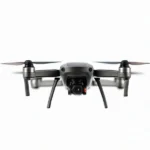
How Fast Do Drone Propellers Spin? RPM Ranges Explained
Commercial UAV Pilot & Aerial Cinematography Specialist at Drone Nestle · FAA Part 107 Remote Pilot Certification, Commercial UAS Operations · 10+ Years in Commercial UAV Operations, Flight Hardware Benchmarking & 4K Aerial Cinematography
Drone propeller speeds typically range from 5,000 to 10,000 RPM for consumer drones, while high-performance FPV racing drones can exceed 50,000 RPM. The final speed is determined by the motor’s KV rating multiplied by the battery voltage, balanced against propeller size and weight.
🎯 Key Takeaways
- Consumer drones (like DJI) typically hover between 5,000 and 7,000 RPM.
- FPV racing drones reach extreme speeds of 25,000 to 50,000+ RPM.
- Motor KV ratings define the theoretical RPM per volt of battery power.
- Smaller propellers must spin significantly faster than larger ones to generate lift.
- Propeller tip speeds on racing quads can approach the speed of sound.
Most consumer drones spin their propellers between 5,000 and 10,000 revolutions per minute (RPM) during a standard hover. However, this range changes dramatically depending on the drone’s purpose, weight, and prop size. While a photography drone might sit comfortably at 6,000 RPM, a dedicated FPV racing drone can scream at speeds exceeding 50,000 RPM. Understanding these numbers is the first step in mastering drone performance, as RPM directly influences everything from battery life to your craft’s maximum top speed.


The speed of your propellers matters because it dictates the balance between thrust and efficiency. High RPMs allow for incredible agility and speed but at the cost of rapid battery drain and increased motor wear. Conversely, lower RPMs with larger propellers provide the stability and endurance needed for cinematic shots. By matching your RPM range to your specific flight goals, you can optimize your setup for better control and longer flight times.
RPM Benchmarks: Comparing Toy, Consumer, and Racing Drones


The “typical” RPM for a drone doesn’t really exist because the requirements for a tiny toy are worlds apart from a professional cinema rig. Generally, the smaller the propeller, the faster it must spin to generate enough lift to overcome gravity. This is why you will see massive differences in speed across different drone categories.


Consumer and Photography Drones
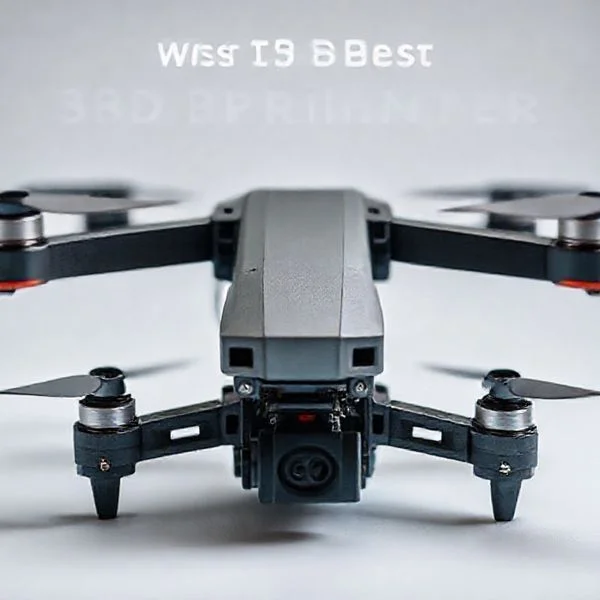
Drones like the DJI Mavic or Air series are designed for stability and “quiet” flight. They typically use larger, more aerodynamic propellers that move a significant volume of air without needing to spin at extreme speeds. For these drones, you can expect the following benchmarks:
- Hovering Speed: 4,500 to 6,500 RPM.
- Maximum Throttle: 8,000 to 11,000 RPM.
- Focus: Efficiency and noise reduction. Lower RPMs produce a lower-pitched sound that is less intrusive.
FPV Racing and Freestyle Drones


Racing drones are built for raw power and immediate response. To achieve the high-speed maneuvers seen in professional racing, these drones use smaller, high-pitch propellers that require incredible rotational speed. When you punch the throttle on a 5-inch racing quad, the propellers are spinning faster than the turbine blades in some jet engines.


- Hovering Speed: 10,000 to 15,000 RPM.
- Maximum Throttle: 35,000 to 60,000+ RPM.
- Focus: Thrust-to-weight ratio. These drones often have a 10:1 ratio, meaning they can push ten times their own weight in thrust.
Mini and Toy Drones


Because toy drones are incredibly light and use tiny propellers (often under 3 inches), they must spin significantly faster than a Mavic just to stay in the air. A micro-drone might hover at 15,000 RPM and top out near 30,000 RPM, though they lack the torque and momentum of their larger counterparts.
The Math Behind the Spin: Understanding KV Ratings and Voltage


To understand why a propeller spins at a specific speed, you have to look at the relationship between your motor and your battery. This is determined by a measurement called KV. In the drone world, KV does not stand for kilovolts; it represents RPM per volt. This is a constant value assigned to a motor that tells you how many times it will rotate for every one volt of electricity applied (assuming there is no load/propeller attached).


Calculating Theoretical Top Speed


You can calculate the theoretical maximum RPM of your motor by multiplying the KV rating by the voltage of your battery. This gives you the “unloaded” RPM. Once you add a propeller, the air resistance (drag) will typically reduce this number by 20% to 30%.
- The Formula: Motor KV × Battery Voltage = Theoretical Max RPM.
- Example 1: A 2300KV motor on a 4S battery (14.8V nominal) results in 34,040 RPM.
- Example 2: A 1700KV motor on a 6S battery (22.2V nominal) results in 37,740 RPM.
The Role of Battery Voltage (S-Rating)
The number of cells in your battery (indicated by the “S” rating) is the primary multiplier for RPM. Each cell adds 3.7 volts (nominal). If you want more speed without changing your motors, you often move from a 4S to a 6S battery. However, you must ensure your motors and Electronic Speed Controllers (ESCs) can handle the increased electrical pressure. Raising the voltage effectively raises the “ceiling” of how fast your propellers can physically spin.
Torque vs. RPM
It is a common mistake to think that higher RPM always equals more power. Large motors with low KV ratings have high torque; they can spin massive propellers that move a lot of air slowly. Small motors with high KV ratings have low torque but high RPM; they spin small blades very fast. If you put a large propeller on a high-KV motor, the motor will struggle to spin, overheat, and eventually burn out because it lacks the torque to overcome the air resistance at those speeds.
Factors Influencing Propeller Speed: Pitch, Diameter, and Weight


While motor KV ratings give us a theoretical baseline for speed, the physical characteristics of the propeller itself act as the primary regulator of actual RPM. Think of the propeller as the “gearing” of your drone. Just as a car’s engine RPM changes depending on which gear you are in, a drone motor’s RPM will fluctuate based on the resistance provided by the blades.
The Trade-off Between Diameter and RPM
There is an inverse relationship between propeller size and rotation speed. Larger propellers have more surface area, allowing them to move a greater volume of air at lower speeds. This is why a large photography drone like a DJI Inspire might hover at relatively low RPMs, while a tiny 2-inch “Whoop” drone has to scream at high frequencies just to stay airborne.


- Large Props (10+ inches): These focus on efficiency and lift. They spin slower, which preserves battery life and provides a stable flight platform.
- Small Props (2-5 inches): These focus on responsiveness. Because they have less mass, they can change RPM almost instantly, which is vital for racing and acrobatics.
- Weight Impact: Every gram of extra payload (like a heavier camera or larger battery) requires the propellers to spin faster to maintain the same altitude, directly increasing the “hover RPM.”
Pitch and Motor Load
The pitch of a propeller refers to the theoretical distance it would move forward in one single rotation. A “high pitch” propeller is like a high gear in a car; it moves more air and generates more speed, but it puts significantly more strain on the motor. If the pitch is too aggressive for the motor, the RPM will drop significantly because the motor lacks the torque to overcome the air resistance.
Performance Limitations: Aerodynamics, Noise, and Tip Velocity


If high RPM leads to more thrust, you might wonder why we don’t simply spin propellers faster and faster. Unfortunately, we eventually hit the “wall” of physics. There are hard limits to how fast a plastic or carbon fiber blade can spin before it becomes inefficient, incredibly loud, or even dangerous.
The Barrier of Tip Velocity
The most critical limitation is tip velocity. While the center of the propeller moves relatively slowly, the tips are traveling at much higher speeds because they cover a larger circumference in the same amount of time. If a propeller spins too fast, the tips can actually approach the speed of sound.
- Supersonic Turbulence: When propeller tips approach Mach 1, they create massive amounts of drag and shockwaves. This destroys lift and makes the drone incredibly inefficient.
- Material Stress: At extreme RPMs, centrifugal force can cause propellers to “flatten out” or even shatter. This is why high-speed racing drones require stiff, high-quality polycarbonate or carbon fiber blends.
- Efficiency Loss: Beyond a certain RPM point, you get “diminishing returns” where more power is wasted as heat and noise rather than being converted into thrust.
The Correlation Between RPM and Noise
The “whine” or “buzz” you hear from a drone is essentially the sound of the propeller blades “chopping” the air. Higher RPMs result in higher-frequency sounds. If you are flying in a noise-sensitive area, choosing a larger propeller with a lower RPM is the most effective way to keep your flight “stealthy.” Commercial delivery drones often use specialized blade shapes to minimize the noise generated at high rotation speeds.
Conclusion: Finding Your Drone’s Sweet Spot
Understanding drone propeller RPM is the key to mastering flight performance and efficiency. From the high-pitched scream of a racing quad spinning at 35,000 RPM to the steady hum of a cinematic drone at 5,000 RPM, speed is always a balance of motor power, propeller size, and air resistance. By matching your propellers to your specific motor KV and flight goals, you can maximize your battery life and ensure your drone handles exactly how you want it to.
Next Steps: Check your drone manufacturer’s manual to see the recommended propeller pitch for your specific model. If you are looking for a quieter flight, consider experimenting with a slightly larger propeller or a lower-pitch blade to reduce your cruising RPM. Happy flying!
💬 Quick Questions & Answers
What is the average RPM for a DJI Mavic drone?
Most DJI Mavic series drones hover around 5,000 RPM and peak near 8,000-9,000 RPM.
How fast do FPV racing drone propellers spin?
FPV racing quads usually operate between 25,000 and 50,000 RPM depending on the battery and motor setup.
What does motor KV mean for propeller speed?
KV is a constant representing how many revolutions per minute a motor spins for every 1 volt supplied.
Do larger propellers spin faster or slower?
Larger propellers spin much slower than small ones to produce the same amount of thrust efficiently.
Is propeller RPM constant during flight?
No, the flight controller constantly adjusts the RPM of each motor individually to maintain stability and direction.
❓ Frequently Asked Questions
How does battery voltage (S-rating) affect propeller RPM?
Battery voltage is a primary driver of RPM; for example, a 6S battery (22.2V) will spin the same motor significantly faster than a 4S battery (14.8V), assuming the motor can handle the load. This is because RPM equals KV multiplied by Volts.
Why do smaller drones need higher RPMs than larger ones?
Small propellers have less surface area to move air, so they must compensate by spinning at much higher frequencies to generate enough lift to overcome gravity. This is why tiny ‘whoop’ drones often sound higher-pitched than large cinema drones.
What happens when a propeller tip reaches the speed of sound?
As propeller tips approach Mach 1, they experience a massive increase in drag and a loss of lift due to shockwaves. This phenomenon, known as ‘transonic flow,’ makes the drone incredibly loud and highly inefficient.
Does the pitch of a propeller change how fast it spins?
Yes, a higher pitch (more aggressive angle) creates more air resistance or ‘load’ on the motor. This usually results in a lower maximum RPM compared to a shallow-pitched propeller on the same motor.
How does the weight of the drone impact propeller RPM?
A heavier drone requires more thrust to hover, which forces the motors to spin at a higher RPM constantly. This leads to higher power consumption and shorter battery life compared to a lighter build.
Are higher RPMs always better for drone performance?
Not necessarily; while high RPMs offer speed and agility, they generate more heat, noise, and vibration. Lower RPMs with larger propellers are generally more efficient for long-range flight and stable aerial photography.

Similar Posts