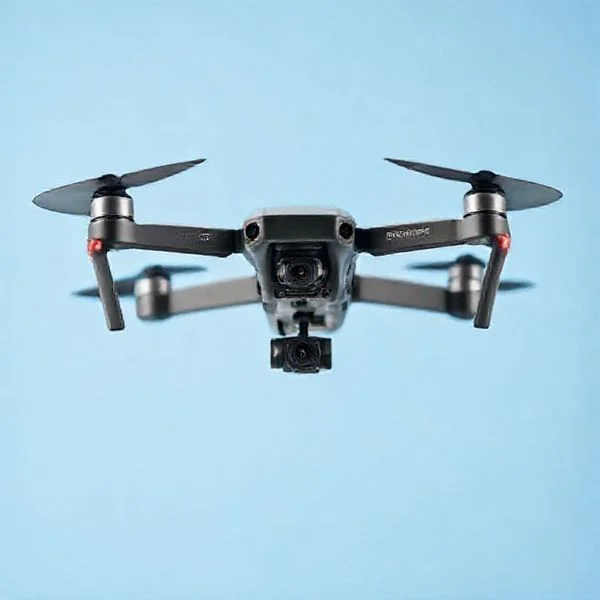
So you’ve just gotten yourself a shiny new drone and you’re eager to get it up in the air. But wait, how do you actually control it? That’s where programming your drone comes in. In this beginner’s guide, I’ll walk you through the basics of programming a drone, from understanding the different components to writing your first lines of code. Whether you’re a complete novice or have some experience with drones, this guide is here to help you navigate the world of drone programming and unleash the full potential of your flying machine. So let’s get started and take your drone to new heights!
Prime for Young Adults — 6 Months Free
Exclusive Offer Amazon Prime for Young Adults, Students and 18–24s get six months of Prime free, then half price.
Start 6 Months Free As an Amazon Associate I earn from qualifying purchases.1. Getting Started with Drone Programming
Understanding the Basics of Drone Programming
When it comes to drone programming, it’s important to have a solid understanding of the basics. This includes knowing how drones work, their components, and their capabilities. By understanding these fundamentals, you’ll be better equipped to write code that can control and manipulate your drone.
Choosing the Right Programming Language
Choosing the right programming language is crucial in drone programming. There are several options available, each with its own strengths and weaknesses. Some popular choices include Python, C++, and JavaScript. It’s important to consider factors such as your experience level, the capabilities of your drone, and the availability of libraries and resources for the chosen language.
Setting Up Your Development Environment
Before you can start programming your drone, you’ll need to set up your development environment. This includes installing the necessary software and tools, as well as configuring your drone and connecting it to your computer. This step is crucial to ensure that you have all the necessary resources and a smooth workflow for writing and testing your code.
2. Learning the Fundamentals of Drone Programming
Recommended Best Deal Products


Understanding Flight Controllers and APIs
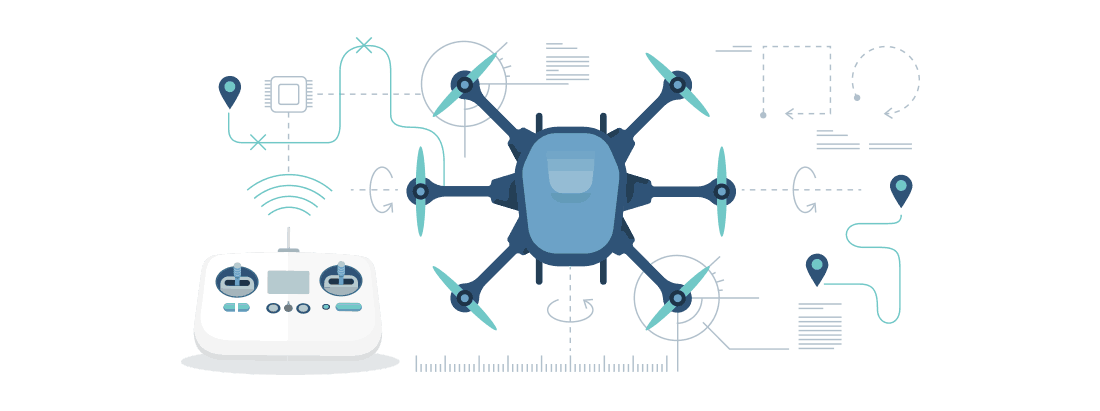
Flight controllers are the brain of your drone, responsible for controlling its flight and stability. It’s essential to understand how flight controllers work and how to communicate with them using APIs (Application Programming Interfaces). APIs provide a set of instructions and protocols that allow you to interact with the flight controller and send commands to your drone.
Working with Sensors and Actuators
Sensors and actuators are critical components of any drone. Sensors provide data about the drone’s environment, such as altitude, position, and battery level, while actuators are responsible for physical movements, such as motor control. Understanding how to work with sensors and actuators is essential in drone programming to gather information and control the drone’s behavior.
Exploring Communication Protocols
Communication protocols play a vital role in drone programming as they enable the exchange of data between different components of the drone. Popular communication protocols in drone programming include MAVLink and Dronecode. It’s important to familiarize yourself with these protocols and understand how to use them effectively in your programming projects.
Prime for Young Adults — 6 Months Free
Exclusive Offer Amazon Prime for Young Adults, Students and 18–24s get six months of Prime free, then half price.
Start 6 Months Free As an Amazon Associate I earn from qualifying purchases.3. Writing Your First Drone Program
Defining the Objective of Your Program
Before writing your first drone program, it’s important to define the objective or goal of your program. Whether it’s performing a specific flight maneuver, capturing aerial photographs, or collecting sensor data, having a clear objective will help you structure your code and focus on the necessary functionalities.
Breaking Down the Problem into Smaller Tasks
Once you have defined the objective, it’s helpful to break down the problem into smaller tasks or steps. This allows you to tackle each task individually and address any challenges or difficulties that may arise. By breaking down the problem, you can also approach the programming process in a more organized and systematic way.
Writing Code for Basic Flight Maneuvers
To write your first drone program, you can start with basic flight maneuvers. This can include taking off, landing, hovering, and moving in different directions. By programming these basic flight maneuvers, you’ll gain a better understanding of how to control and navigate your drone using code. It’s important to refer to your drone’s documentation and API references for the specific commands and functions needed for these maneuvers.
4. Advanced Drone Programming Techniques
Recommended Best Deal Products

Implementing Autonomous Navigation
Autonomous navigation is a fascinating area of drone programming. It involves programming your drone to navigate and make decisions on its own, without manual control. This can include tasks such as obstacle detection and avoidance, path planning, and GPS-based navigation. Implementing autonomous navigation requires a deep understanding of algorithms and sensor integration, as well as the ability to work with complex data structures and decision-making processes.
Working with Computer Vision
Computer vision is another advanced technique in drone programming that enables drones to perceive and understand their environment using visual data. This can involve object detection, tracking, and recognition, as well as image and video processing. Working with computer vision in drone programming requires knowledge of image processing algorithms, machine learning, and neural networks.
Integrating Machine Learning Algorithms
Machine learning algorithms can be integrated into drone programming to enhance its capabilities and make it more intelligent. This can include tasks such as anomaly detection, predictive modeling, and autonomous decision-making. Integrating machine learning algorithms in drone programming requires a strong foundation in data analysis, statistical modeling, and algorithm design.
Prime for Young Adults — 6 Months Free
Exclusive Offer Amazon Prime for Young Adults, Students and 18–24s get six months of Prime free, then half price.
Start 6 Months Free As an Amazon Associate I earn from qualifying purchases.5. Troubleshooting and Debugging
Common Issues in Drone Programming
As with any programming project, there can be common issues and challenges in drone programming. These can include issues with connectivity, sensor data accuracy, stability and control, and software compatibility. It’s important to be aware of these common issues and learn how to identify and troubleshoot them effectively to ensure the smooth operation of your drone programs.
Debugging Techniques
Debugging is an essential skill in drone programming. It involves identifying and fixing errors and bugs in your code. There are various debugging techniques and tools available, such as logging, code reviews, and unit testing. Learning and applying these techniques can help you identify and fix issues in your drone programs more efficiently.
Testing and Validating Your Code
Testing and validating your code is crucial in drone programming to ensure its reliability and functionality. This can involve unit testing, integration testing, and flight testing. By thoroughly testing and validating your code, you’ll have more confidence in its performance and reduce the chances of errors or malfunctions in real-world situations.
6. Best Practices for Drone Programming
Writing Clean and Readable Code
Writing clean and readable code is essential in drone programming, especially when working on complex projects. By following coding conventions, using meaningful variable and function names, and writing clear comments, you can make your code more readable and maintainable. This not only helps you understand your own code but also makes it easier for others to collaborate or review your code.
Optimizing Performance and Battery Life
Optimizing performance and battery life is crucial in drone programming, especially when dealing with limited computing resources and flight time. This can involve techniques such as code optimization, power management, and sensor data processing. By optimizing performance and battery life, you can ensure that your drone programs run efficiently and maximize the flight time of your drone.
Ensuring Safety and Compliance
Safety and compliance should always be a priority in drone programming. It’s important to follow safety guidelines and regulations, such as airspace restrictions and flight restrictions. Additionally, ensuring the integrity and security of your code and data is crucial to prevent unauthorized access or malicious attacks. By prioritizing safety and compliance, you can ensure responsible and ethical use of drones.

7. Resources for Further Learning
Online Tutorials and Courses
With the increasing popularity of drones, there are numerous online tutorials and courses available to help you learn and expand your drone programming skills. These resources provide in-depth knowledge, step-by-step instructions, and practical examples to enhance your understanding and proficiency in drone programming.
Books and Publications
Books and publications on drone programming can provide valuable insights and in-depth knowledge on the subject. They cover various topics, from beginner’s guides to advanced techniques. By exploring these resources, you can gain different perspectives and learn from experts in the field.
Drone Programming Communities
Drone programming communities are a great way to connect with fellow drone enthusiasts and professionals. These communities provide forums, discussion boards, and online groups where you can ask questions, share ideas, and collaborate on projects. Engaging with drone programming communities can expand your network and provide support and guidance in your learning journey.
8. Real-World Applications of Drone Programming
Agriculture and Crop Monitoring
Drone programming has numerous real-world applications, one of which is agriculture and crop monitoring. Drones equipped with sensors and cameras can collect data on crop health, pest infestations, and soil conditions. By programming drones to analyze and interpret this data, farmers can make informed decisions about irrigation, fertilization, and disease management, leading to increased crop yield and reduced costs.
Photography and Videography
Drones have revolutionized the field of photography and videography, allowing for unique aerial perspectives and stunning visuals. By programming drones to capture images and videos in specific patterns or sequences, photographers and videographers can create breathtaking shots and cinematic footage. This requires knowledge of camera control and stabilization algorithms, as well as image and video processing techniques.
Search and Rescue Operations
Drones are playing an increasingly important role in search and rescue operations, particularly in situations where access is difficult or hazardous for humans. By programming drones for autonomous search and rescue missions, rescuers can cover large areas quickly and efficiently. Drones can be equipped with thermal cameras, sensors for gas detection, and loudspeakers for communication, enabling them to locate missing persons and provide assistance in emergency situations.
9. Legal and Ethical Considerations
Understanding Drone Regulations
Drone programming must adhere to regulations and guidelines set by aviation authorities and local authorities. These regulations include restrictions on flight altitude, airspace limitations, and registration requirements. It’s essential to stay updated on the latest regulations and ensure compliance to ensure safe and legal use of drones.
Privacy and Data Protection
When using drones for photography or videography, privacy and data protection are important considerations. It’s crucial to respect the privacy of individuals and avoid capturing or transmitting sensitive information without consent. Additionally, handling and securing data collected by drones should be done in compliance with data protection laws and best practices.
Ethical Use of Drones
Ethical considerations play a significant role in drone programming. Drones should be used responsibly and with respect for the environment, wildlife, and public safety. It’s important to consider the potential impact of drone operations on privacy, noise pollution, and wildlife disturbance. By practicing ethical use of drones, we can ensure that this technology continues to bring positive benefits to society.
10. Conclusion and Next Steps
Summary of Key Points
In this beginner’s guide to drone programming, we have covered the basics of drone programming, including choosing the right programming language and setting up your development environment. We have discussed the fundamentals of drone programming, such as flight controllers, sensors, and communication protocols. We have also explored advanced techniques, troubleshooting, best practices, and real-world applications. Additionally, we have highlighted the legal, ethical, and privacy considerations involved in drone programming.
Encouragement to Explore and Experiment
Drone programming is an exciting field with endless possibilities. As you continue your journey in drone programming, we encourage you to explore and experiment with different programming languages, algorithms, and applications. By continuously learning and pushing boundaries, you can unlock new opportunities and make meaningful contributions to the world of drones.
Promotion of Other Drone-Related Content
To continue your learning and stay updated on the latest developments in drone technology, we recommend checking out our other articles, tutorials, and resources. Whether you’re a beginner, enthusiast, or professional, we have valuable content tailored to your interests and needs. Join our community of drone enthusiasts and embark on an exciting journey of exploration and innovation.